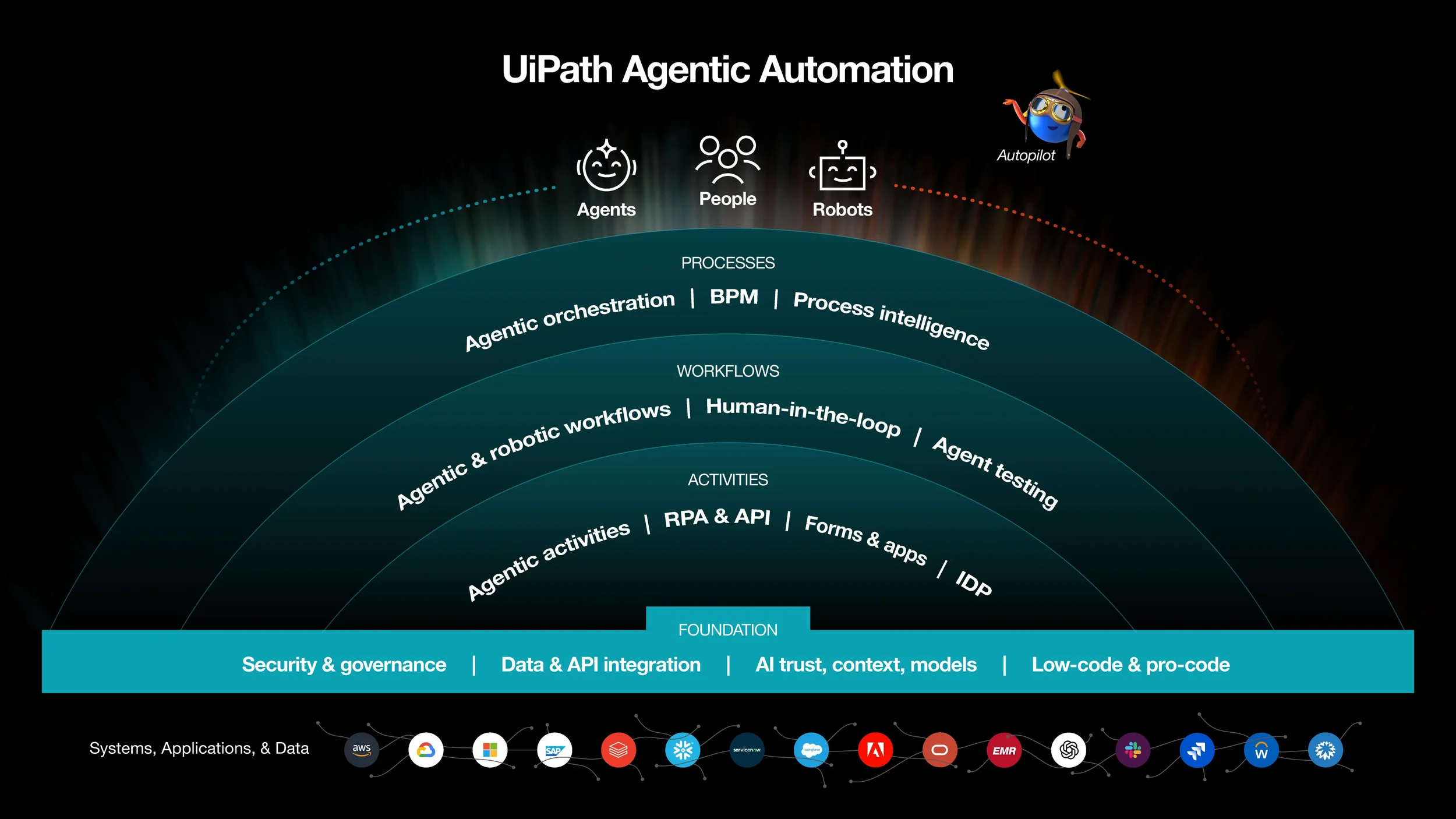
Gestion del cambio organizacional en iniciativas de AI y RPA para una adopcion sostenible

En muchas empresas, gestion del cambio organizacional y despliegue de AI y RPA avanzan por caminos paralelos, generando friccion y resistencia. Sin una estrategia humana y estructurada, hasta el mejor modelo de IA o el bot mas sofisticado quedan infrautilizados: distintos estudios indican que cerca del 70 % de las iniciativas de cambio no alcanzan sus objetivos.
Del entusiasmo tecnologico a la adopcion real
La combinacion de AI y RPA promete eficiencia, pero el valor solo aparece cuando las personas cambian su forma de trabajar. Lideres eficaces traducen la vision en metas claras por area, explican como los bots liberaran tiempo de tareas rutinarias y conectan cada caso de uso con beneficios tangibles para equipos concretos, reduciendo el miedo a la sustitucion y reforzando la participacion.

Diseñar la experiencia del empleado como eje del cambio
Un plan de gestión del cambio organizacional centrado en el empleado integra comunicación segmentada, formación práctica y soporte continuo.
Paneles de seguimiento con KPIs (uso, participación, satisfacción) permiten visualizar el progreso y detectar resistencias de forma temprana.
Asistentes virtuales internos y chatbots ofrecen soporte 24/7, guían pasos operativos y recogen dudas recurrentes para mejorar el entrenamiento.
La analítica de adopción (flujos de uso, clickstream, encuestas) identifica grupos con baja adopción y puntos de fricción concretos.
Al ajustar mensajes y sesiones formativas según esos datos, algunas organizaciones reportan incrementos en el uso de nuevas herramientas superiores al 30 %.

Estructuras y metricas para escalar AI y RPA
Para sostener resultados, muchas compañías crean centros de excelencia que combinan negocio, tecnología y personas.
Definen estándares de AI y RPA, políticas de gobernanza y frameworks técnicos para acelerar reutilización.
Gestionan riesgos mediante evaluaciones de ética, privacidad, seguridad y controles de cumplimiento.
Coordinan pilotos iterativos y feedback cross‑funcional para validar valor y ajustar soluciones.
Vinculan KPIs de productividad y satisfacción del empleado para priorizar inversiones, replicar éxitos y corregir desalineaciones antes del escalado.
La gestion del cambio organizacional en proyectos de AI y RPA ya no es opcional, es el factor que separa pruebas prometedoras de transformaciones sostenibles. Disenar experiencias claras, medir adopcion y dotarse de estructuras transversales permite convertir la automatizacion en una ventaja competitiva compartida por toda la plantilla. Para profundizar en un enfoque adaptado a cada empresa, se invita a las organizaciones a contactar con Digital Robots y explorar juntos los siguientes pasos.
Noticias relacionadas