How to choose an automation partner for large-scale projects without jeopardizing operations
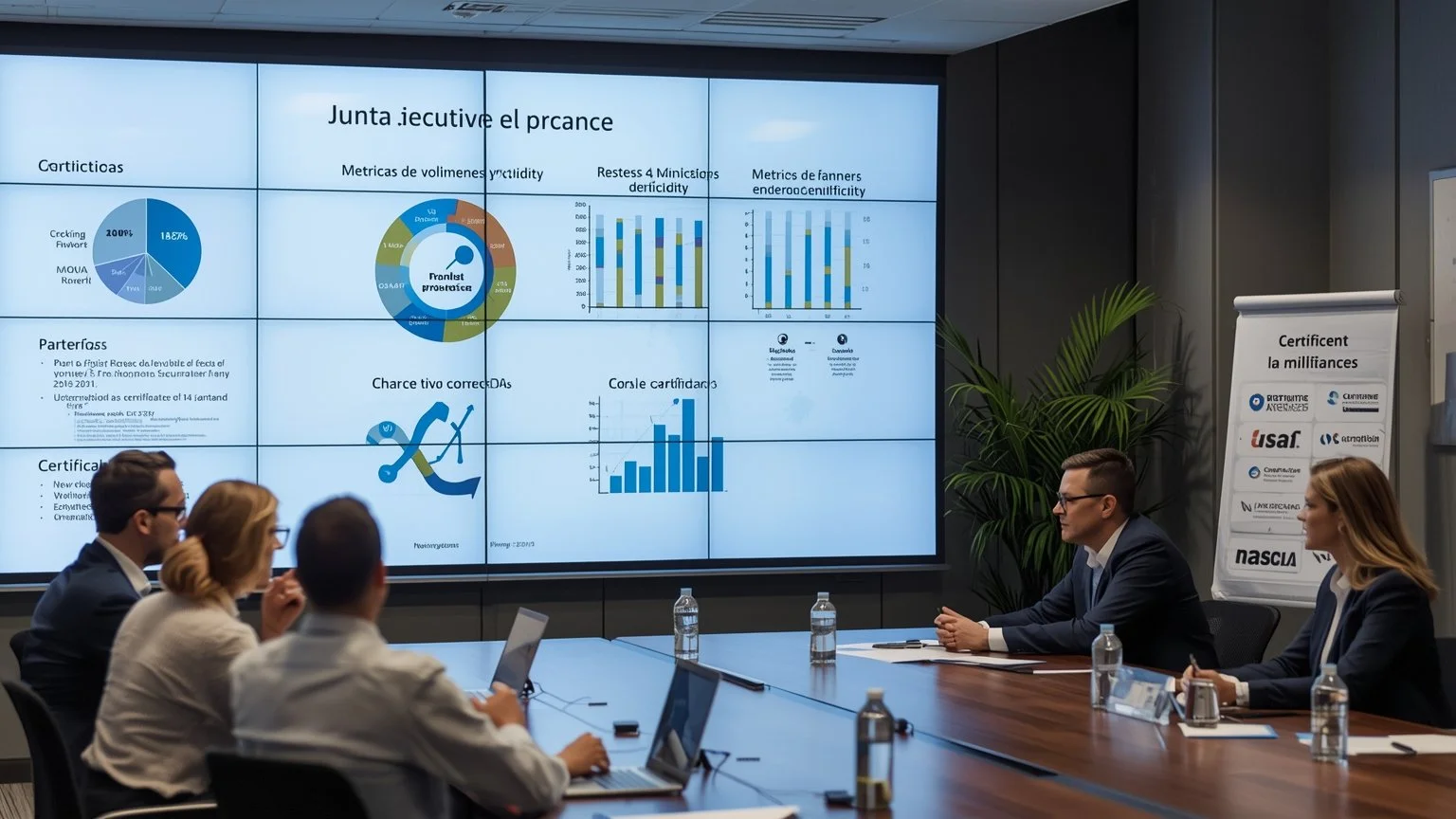
Choosing an automation partnerfor large-scale projects is now a strategic decision. Technical complexity and talent shortages mean that the right supplier can make the difference between a smooth rollout and months of delays. (In 2024, global spending on industrial automation exceeded $250 billion and will continue to grow strongly.) That's why it's important to apply clear criteria before signing.
Define the scope and validate technical solvency from the first contact
In large-scale projects, the first filter is a precise definition of the scope: affected processes, volumes, criticality, and business objectives. From there, it is essential to evaluate the partner's industry experience, certifications, and references in similar projects. A good integrator demonstrates mastery of various platforms and demanding security standards.
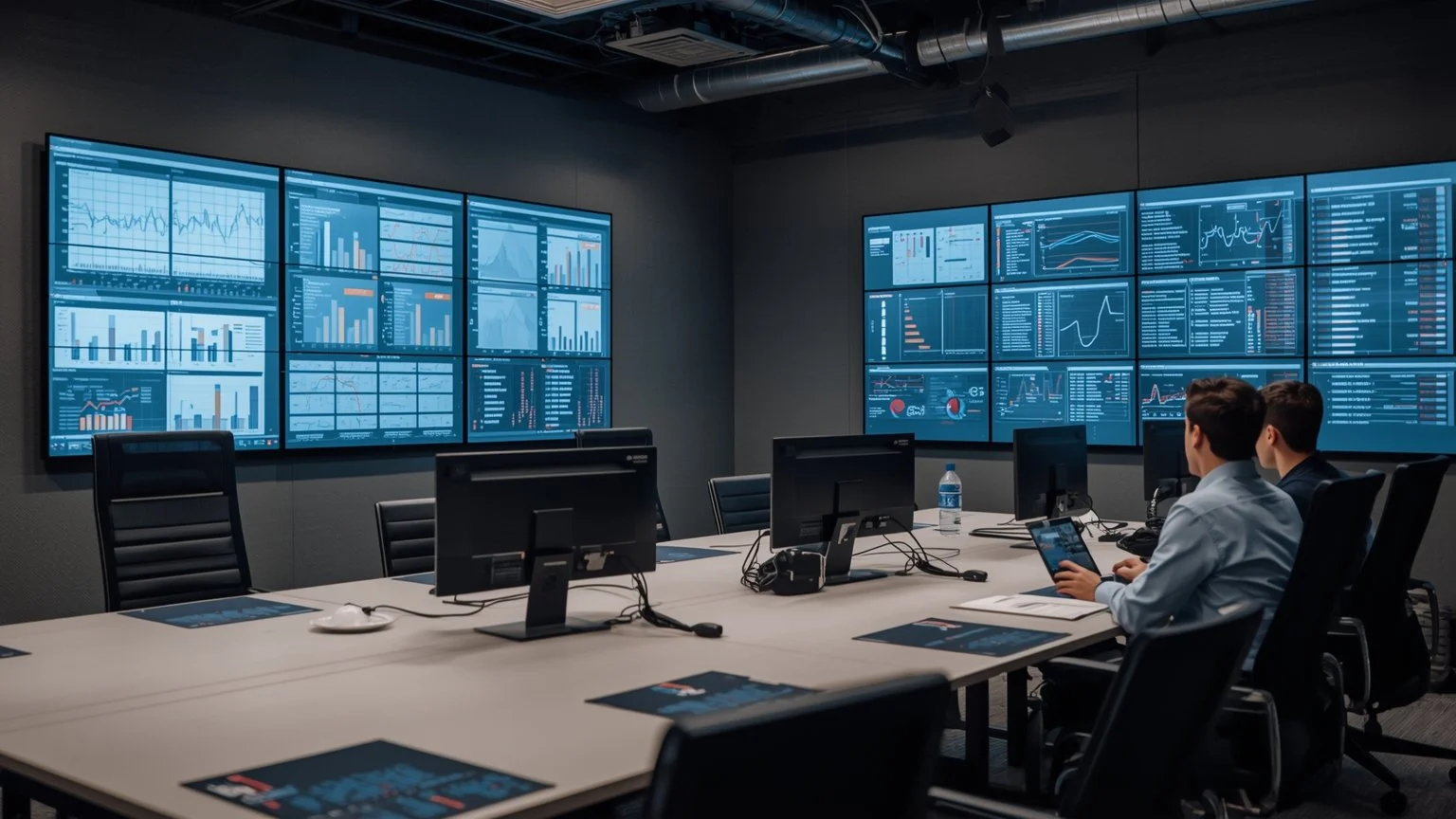
Execution capability, project governance, and long-term support
SLAs should detail availability targets, responsibilities, and escalation mechanisms to reduce disruptions and ensure operational continuity.
Definition of key metrics: MTTR, MTBF, and agreed availability percentage.
24/7 response and support commitments, with scheduled maintenance windows and penalties for non-compliance.
Implementation of redundancy and backups, and performance of periodic tests and drills.
Proactive monitoring and clear escalation plans with regular reports and reviews.

Business vision, scalability, and cultural alignment
When automation affects multiple plants or units, the ideal partner understands automation as a lever for business transformation, integrating strategic vision with operational capabilities to scale solutions sustainably. Their approach combines rapid results with governance for continuous growth.
Scalable roadmap, open to technologies such as artificial intelligence, with clear phases, pilots, and KPIs.
Alignment with internal culture: training, change management, and involvement of local leaders.
Transparency in costs and business model: breakdown of investments, risks, and expected return.
Co-innovation and continuous communication to tailor solutions and build long-term trust.
In summary, choosing an automation partnerfor large-scale projects requires balancing technical expertise, execution capabilities, and business vision. Analyzing references, processes, and corporate culture avoids costly surprises and paves the way for scaling up. Given the growing complexity of these programs, it is advisable to compare options with specialists. To accompany this analysis and define the best approach, you can contact Digital Robotsand explore the most suitable solution together.
Related news